
The Art of Spice Mixing:
Elevate Your Menu with Unique Flavour Profiles
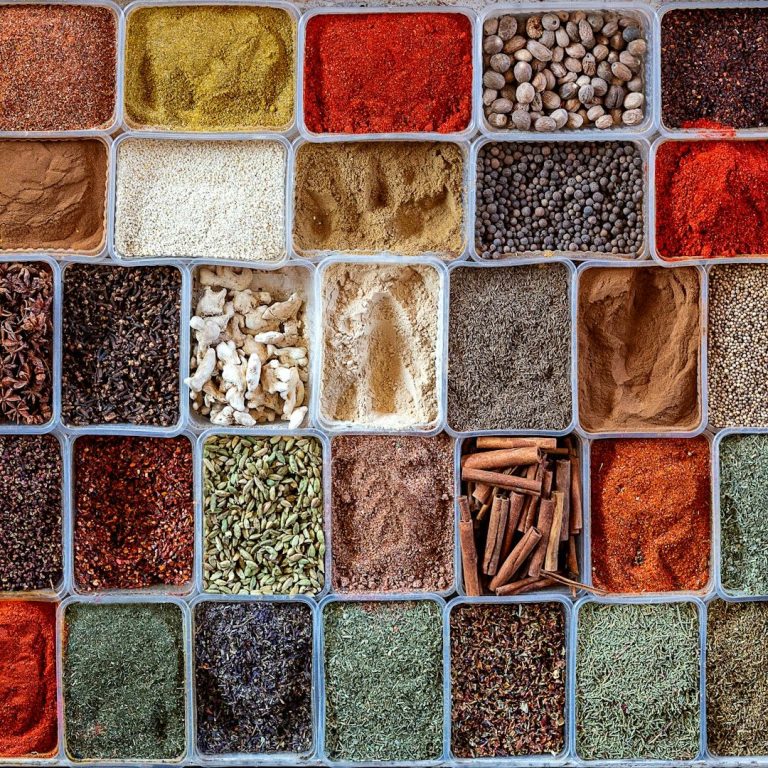
When it comes to culinary magic, few techniques rival the art of spice mixing. This practice not only enhances the overall taste of dishes but also helps to create unique menu items that can set your restaurant apart in a competitive market. In this blog post, we will delve into the world of flavour profiles, explore effective spice blending techniques, highlight successful combinations from top restaurants, and provide a few scrumptious recipes that restaurant owners can experiment with.

Understanding Flavour Profiles:
Before diving into the intricacies of spice mixing, it’s essential to understand what flavour profiles are. A flavour profile describes the distinct sequence of tastes and aromas that define a dish. These profiles can range from sweet and spicy to creamy and tangy, influenced significantly by the spices used. By mastering the art of spice mixing, you can elevate your dishes, creating an unforgettable dining experience that keeps customers coming back for more.
Effective Spice Mixing Techniques:
1. Start with a Base: Every good spice blend starts with a solid base. Common bases include salt, pepper, and herbs like basil or parsley. Once you have a base, you can build on it with additional spices to create complexity.
2. Know Your Spices: Familiarize yourself with the flavour characteristics of individual spices. For example, cinnamon adds warmth, while cumin introduces earthiness. Understanding how spices harmonize can help you craft unique combinations.
3. Experiment with Ratios: The right ratio of spices can make or break a dish. Start with small amounts and adjust to taste. Don’t be afraid to experiment; sometimes, the best flavour profiles come from unexpected combinations.
4. Incorporate Acidity: Adding a touch of acidity from ingredients like lemon juice, vinegar, or tamarind can enhance spice flavours and create balance in your dishes.
5. Consider Cooking Methods: The method of cooking can influence the final flavour. For instance, toasting spices before mixing can unlock their essential oils and deepen their flavours.
By mastering the techniques and exploring unique combinations, you’ll not only enhance your dishes but also draw in customers eager to taste what sets your restaurant apart. Start blending those spices, and watch your menu transform into a flavourful adventure!
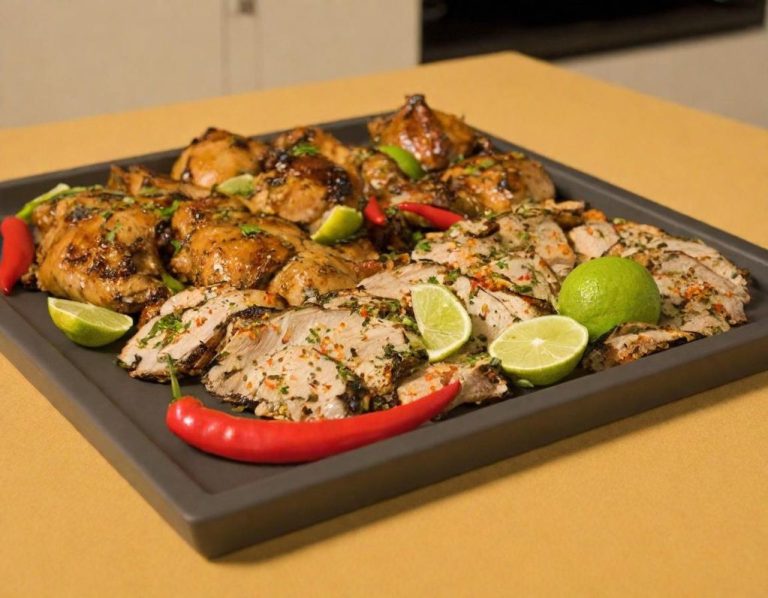
Spicy Harissa-Lime Chicken Marinade
Ingredients:
- 2 tablespoons harissa paste
- 2 tablespoons honey
- Juice of 2 limes
- 1 teaspoon salt
- 1/2 teaspoon black pepper
- 1 teaspoon minced garlic
Instructions:
- In a bowl, combine harissa paste, honey, lime juice, salt, pepper, and garlic.
- Marinate chicken for at least 2 hours, preferably overnight.
- Cook on a grill or stovetop until done, and serve with a side of citrus-based slaw.
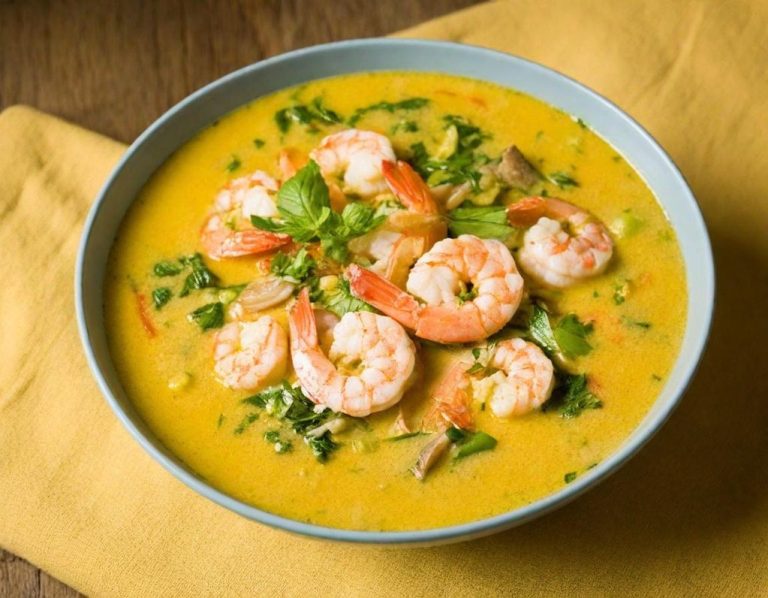
Coconut Curry Shrimp Soup
Ingredients:
- 1 tablespoon coconut oil
- 1 tablespoon curry powder
- 1 can (14 oz) coconut cream
- 4 cups vegetable or seafood stock
- 1 pound shrimp, peeled and deveined
- Juice of 1 lime
- Salt to taste
- Fresh cilantro for garnish
Instructions:
- In a large pot, heat coconut oil over medium heat. Add curry powder and stir for 1 minute until aromatic.
- Pour in coconut cream and stock, bringing it to a simmer.
- Add shrimp and cook until pink, about 3-4 minutes.
- Stir in lime juice and salt. Garnish with fresh cilantro before serving.
The power of spice mixing is undeniable. By mastering the techniques and exploring unique combinations, you’ll not only enhance your dishes but also draw in customers eager to taste what sets your restaurant apart. Start blending those spices, and watch your menu transform into a flavourful adventure!